In my new thriller, Fool Her Once, Robins Island is a key location. The tear-shaped blob in the middle of Peconic Bay between the North and South Forks of Long Island becomes a crime scene about half-way through my novel. It’s where a body washes up on the rocks on the west side of the island.
It is also the location for the climax of my thriller in which my female protagonist, Jenna Sinclair, an investigative reporter, confronts the real antagonist of the story.
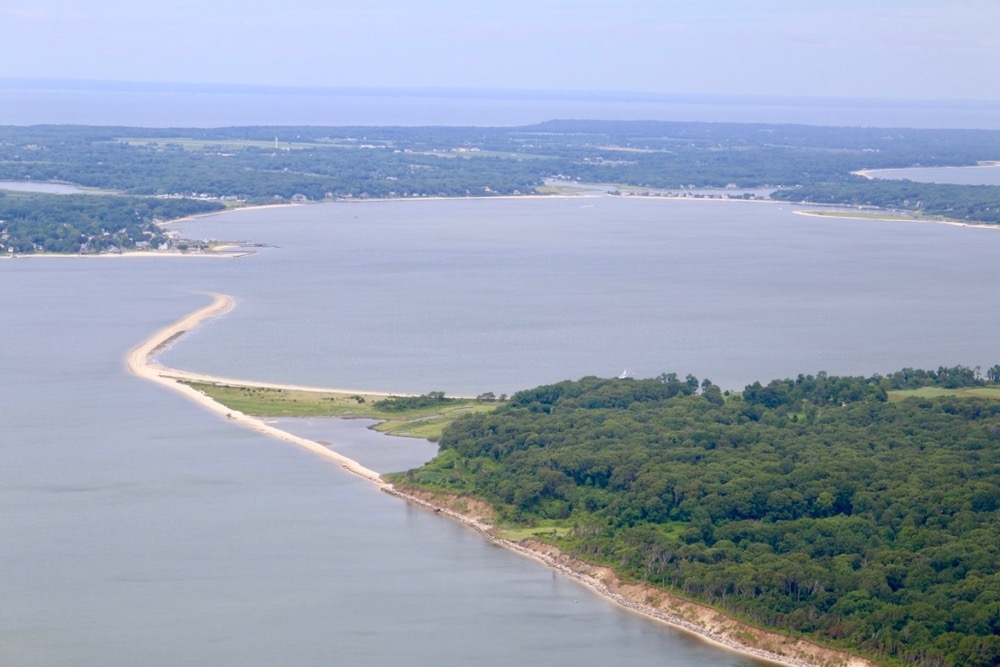
Imagine my surprise, then, when just this week Robins Island became a real-life crime scene with police descending on it in full force. Only a handful of local newspapers covered the story about poachers with allegedly criminal intentions sneaking onto the private island . Continue reading “Robins Island –A Key Location in my Thriller– Becomes a Real-Life Crime Scene”
 If you’re writing a novel, you know that setting is generally as important an element of the story as character and plot. In its narrowest sense, setting is the location of your story. Nowadays, of course, you don’t have to stir out of your comfortable writer’s chair to conduct location research, and discover if there really is a Gristedes supermarket on the corner of Third and 36th in Manhattan. All the research you need to do is right at your fingertips. You can google places where you want the main action of your novel to take place, or watch Youtube travel videos.