 You may recall a couple of weeks ago I wrote that I had finished writing my book. I typed “The End” at the bottom of my last chapter and emailed the manuscript to a few trusted beta readers — and to a professional editor.
It felt good to say that I had met my deadline (so as to be able to enjoy a week’s vacation with my British bestie.) But, as any published, or even aspiring, author knows only too well, the real hard work is just about to begin. Continue reading “So, You’ve Finished Writing Your Book. Now What?”
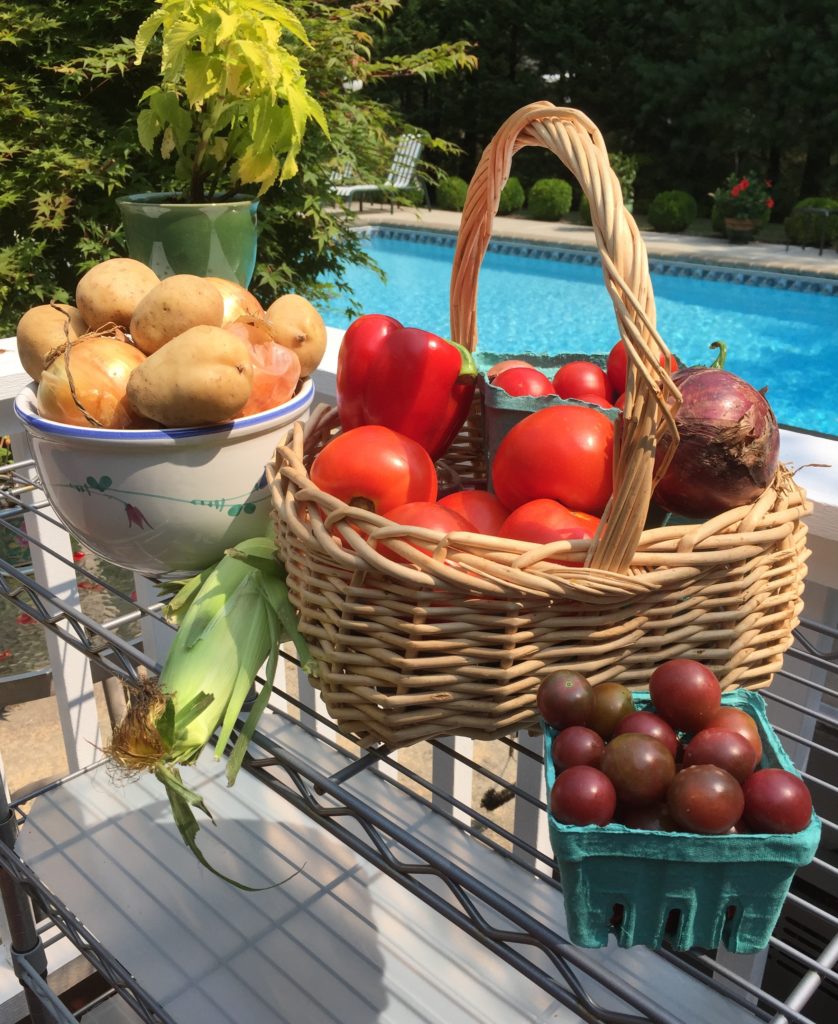 You don’t have to be an author on deadline to want meals you can get on the table in super fast time. Other busy people appreciate the idea of fast food, too. But I’m not talking about the sort of meals you get in a drive-through in a brown paper bag. I’m talking about delicious farm fresh produce that you can eat almost off the farm stand.
  If you’re writing a novel, you know that setting is generally as important an element of the story as character and plot. In its narrowest sense, setting is the location of your story. Nowadays, of course, you don’t have to stir out of your comfortable writer’s chair to conduct location research, and discover if there really is a Gristedes supermarket on the corner of Third and 36th in Manhattan. All the research you need to do is right at your fingertips. You can google places where you want the main action of your novel to take place, or watch Youtube travel videos.
 There are some fascinating tidbits of information you will NOT see on The Staircase, the 13-episode true crime docu-series currently streaming on Netflix. One of them is the full story of the blowpokes. It relates to the fact that in September 2003 while he was on trial for the first-degree murder of his wife, novelist Michael Peterson called an antiques store in Maine and ordered three blowpokes to be shipped overnight to his home in Durham, North Carolina.